


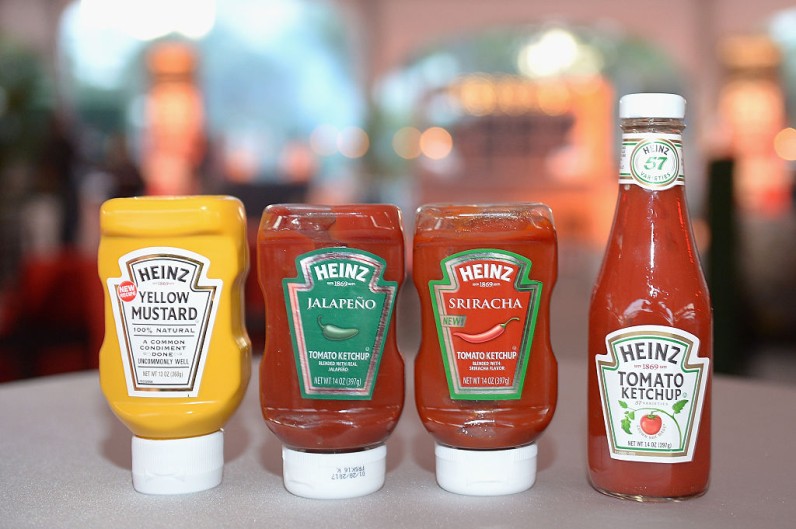
On Tuesday, San Francisco made headlines by filing a groundbreaking lawsuit against major food companies, including Kraft Heinz, Mondelez, and Coca-Cola.
The city accuses these giants of knowingly selling ultra-processed foods linked to serious health problems.
According to the lawsuit, these companies deliberately marketed addictive and unhealthy products, fueling a public health crisis—all while raking in huge profits.
City Attorney David Chiu, who filed the suit in San Francisco Superior Court, compared the companies' tactics to those historically used by the tobacco industry.
He said the food makers engineered a public health crisis and must now take responsibility for the harm caused.
According to the NY Post, the lawsuit alleges violations of California laws on public nuisance and deceptive marketing.
Ultra-processed foods, which include many packaged snacks, sweets, cereals, and soft drinks, have grown widely available in recent years.
Chiu's office said the rise of these products has coincided with increased rates of obesity, diabetes, heart disease, and cancer.
The complaint noted that minority and low-income communities in San Francisco are particularly affected, with higher rates of these conditions.
Extraordinary press conference just now in San Francisco where @SFCityAttorney David Chiu has just announced a lawsuit against the largest manufacturers of Ultra-Processed Foods, including Kraft Heinz, Mondelez, Post Holdings, Coca Cola, Pepsi, General Mills, Nestle USA,… pic.twitter.com/ePnlM4Zhps
— Chris van Tulleken 🏳️🌈 (@DoctorChrisVT) December 2, 2025
San Francisco Seeks Penalties for Deceptive Food Ads
Representatives for Kraft, Mondelez, and Coca-Cola did not immediately respond to requests for comment.
Meanwhile, Sarah Gallo, senior vice president of product policy for the Consumer Brands Association, a trade group representing many of the companies, said there is no scientific consensus on the definition of ultra-processed foods, BBC reported.
She added that labeling foods as unhealthy simply because they are processed ignores their nutrient content and could mislead consumers.
The lawsuit is seeking restitution and civil penalties to help cover the city's healthcare costs. It also asks the court to require these companies to change marketing practices that are considered misleading or harmful.
While experts debate the exact definition of ultra-processed foods, they are generally described as items made with industrial techniques and additives, often containing little to no whole foods.
According to the complaint, the rise in consumption of these products has contributed to chronic illnesses in both children and adults.
This case is historic—San Francisco is the first US city to sue food companies over the marketing of addictive ultra-processed foods.
Previous efforts, including a lawsuit in Pennsylvania that linked such products to diabetes and liver disease, struggled to prove a direct connection between the foods and health conditions.


Join the Conversation