


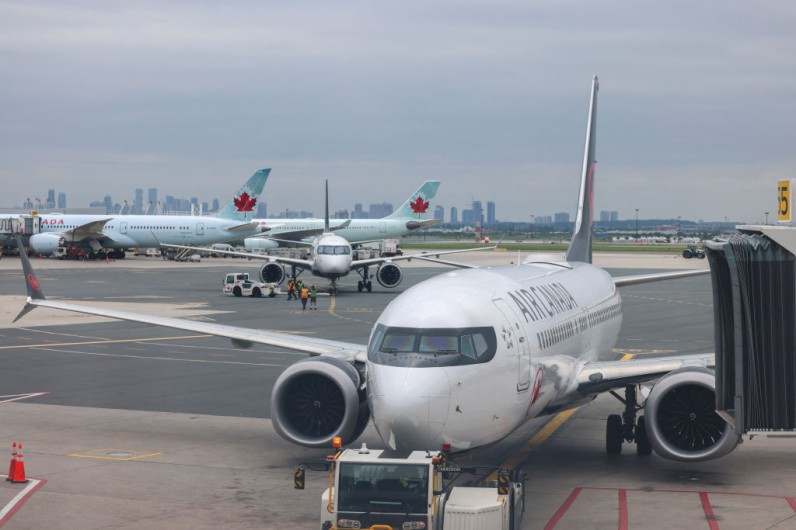
Air Canada is suspending its flights to New York's John F. Kennedy International Airport this summer as rising jet fuel prices, driven by the ongoing conflict in Iran, continue to strain airline operations.
The suspension will begin June 1 and last until Oct. 25, according to the airline.
The decision affects routes from Toronto and Montreal to JFK, two of Air Canada's busiest connections.
However, flights to nearby LaGuardia and Newark airports will continue without changes, NY Post reported.
The airline currently operates dozens of daily flights to those airports from several Canadian cities, allowing passengers alternative options.
In a statement, an Air Canada spokesperson explained the move by pointing to rising costs.
"As jet fuel prices have doubled since the start of the Iran conflict and some lower profitability routes and flights are no longer economic, and we are making schedule adjustments accordingly," the spokesperson said.
Air Canada suspends Toronto and Montreal flights to JFK over jet fuel cost crisis
— Dave Agar (@dave1agar) April 17, 2026
Temporary pause to New York airport starts June 1 and will end Oct. 25 https://t.co/LjxHybMsot
Air Canada Faces Pressure as Jet Fuel Prices Surge
Passengers affected by the suspension will be contacted directly and offered alternative travel arrangements.
According to AP News, the airline says it is trying to minimize disruption as much as possible while responding to a rapidly changing fuel market.
The crisis comes as global jet fuel prices have surged sharply. According to industry data, the average price reached $4.32 per gallon, up from $2.50 before the conflict escalated.
The jump has placed major pressure on airlines worldwide, many of which are adjusting routes or raising fees to manage costs.
Airlines across the industry are feeling the impact. Some carriers have introduced higher baggage fees, while others have reduced flight schedules or eliminated less profitable routes.
Industry analysts say fuel and labor remain the largest expenses for airlines, making sudden price spikes especially difficult to absorb.
The situation has also raised broader concerns about global supply stability. Experts warn that ongoing tensions in the region could continue to affect fuel availability and pricing.
In a recent interview, International Energy Agency Director Fatih Birol said Europe may have "maybe six weeks" of jet fuel supplies left, calling the situation one of the most serious energy challenges in recent years.
Despite a brief drop in oil prices after reports that key shipping routes may reopen, uncertainty remains in the aviation sector. Airlines like Air Canada are now forced to balance customer demand with rising operational costs.


Join the Conversation