


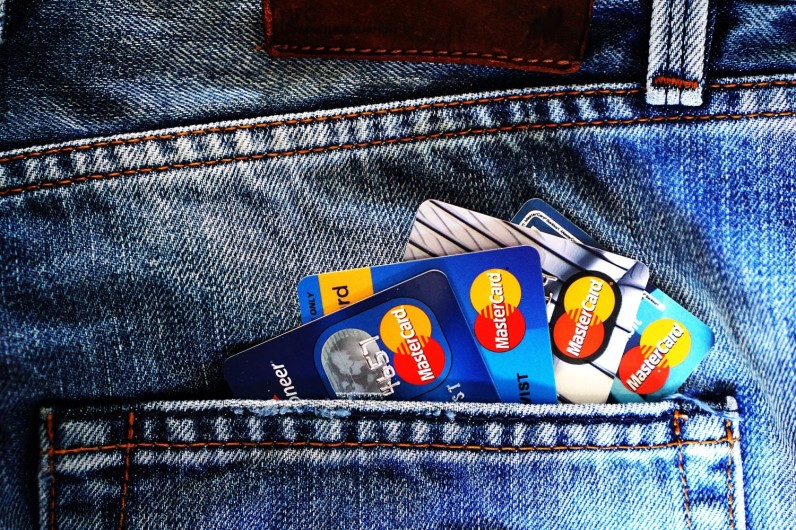
For years, business credit cards were marketed as simple rewards machines: spend more, earn more, repeat. But in today's financial climate, that approach is starting to look outdated.
Analysts say the best business credit cards are now evaluated the same way executives evaluate investments: by return, risk and fit.
According to Bankrate, credit cards still fall into four broad categories: credit-building, balance transfer, low-interest and rewards, yet the difference between a winning card and a costly one often comes down to how well it aligns with a company's actual spending and cash-flow patterns. With borrowing costs higher than in previous years, mismatched interest rates and fees can quietly erase the value of even the most generous rewards.
Interest Rates Are the New Pressure Point
One of the biggest shifts in the business credit card market is how much weight owners are placing on interest rates. In an environment where average APRs sit above 20 percent, carrying a balance has become far more expensive. Bankrate research highlights that balance transfer and low-interest credit cards are increasingly attractive for businesses financing large purchases or managing existing debt.
These cards, often offering 0 percent introductory APRs or reduced ongoing rates, allow owners to spread expenses without compounding interest. Financial analysts caution, however, that promotional periods are only effective when paired with a clear payoff strategy. Once those periods expire, regular APRs can quickly turn flexibility into liability.
Rewards Still Matter — But Only When They Fit
Rewards cards continue to dominate marketing campaigns, but experts say they only deliver value when spending patterns line up. Flat-rate cash back cards remain popular among businesses seeking simplicity, while category-based rewards favor companies with predictable expenses such as fuel, travel or advertising.
Bankrate notes that the most competitive flat-rate cards now offer at least 2 percent cash back on all purchases, while category-driven cards can reach 3X points or higher in select areas. The catch is discipline. Analysts warn that chasing rewards while carrying balances often leads to higher costs than the rewards are worth.
"The best credit card is the one that fits how you actually spend, not how you plan to spend," one industry analyst explained.
Best Business Credit Cards Right Now
1. The Business Platinum Card from American Express A strong choice for premium users who want rich travel and business perks, including large welcome points and enhanced rewards on high business spend.
2. Sapphire Reserve for Business Known for excellent travel benefits and partnership credits, this card appeals to owners who spend heavily on travel and software services, helping cut operating costs.
3. American Express Business Gold Card Balances annual fees with valuable point earnings in key business categories. Good fit for owners with diverse spend across advertising, shipping, tech and office supplies.
4. Ramp Business Card Built-in smart financial tools and expense management make Ramp ideal for owners who want to automate accounting and control costs alongside earning rewards.
5. Brex Card With digital asset support and flexible financing perks, Brex is attractive for companies that make international payments or prefer modern financial integrations.
These cards span from traditional rewards heavyweights to newer fintech-focused products that emphasize automation and operational insights, reflecting the broader shift toward combining finance and technology.
Credit Profile Still Sets the Ceiling
Before any card strategy takes shape, credit strength remains the gatekeeper. Bankrate emphasizes that business owners should understand both their personal and business credit profiles before applying. Premium rewards and low-interest cards typically require good to excellent credit, while newer businesses may need to start with credit-building or secured options.
Frequent applications can also hurt approval odds. Each hard inquiry can temporarily lower credit scores, and multiple inquiries in a short period can signal risk to issuers.
Fees Are the Hidden Stat Line
Beyond APRs and rewards, fees continue to play an outsized role in long-term value. Annual fees, balance transfer fees and foreign transaction fees can all shift the math of a card. While some premium cards justify high annual fees through credits and perks, Bankrate advises owners to measure those benefits against real usage.
For businesses with international exposure, foreign transaction fees — often around 3 percent per purchase — can quietly add up. Cards that waive these fees are increasingly seen as essential rather than optional.
The Bottom Line
As the business credit card market evolves, the decision is becoming less about flash and more about fundamentals. Much like building a winning roster, success depends on fit, efficiency and long-term value. Bankrate's analysis makes one point clear: the best business credit card isn't the one with the biggest headline reward, but the one that strengthens a company's financial position over time.


Join the Conversation