


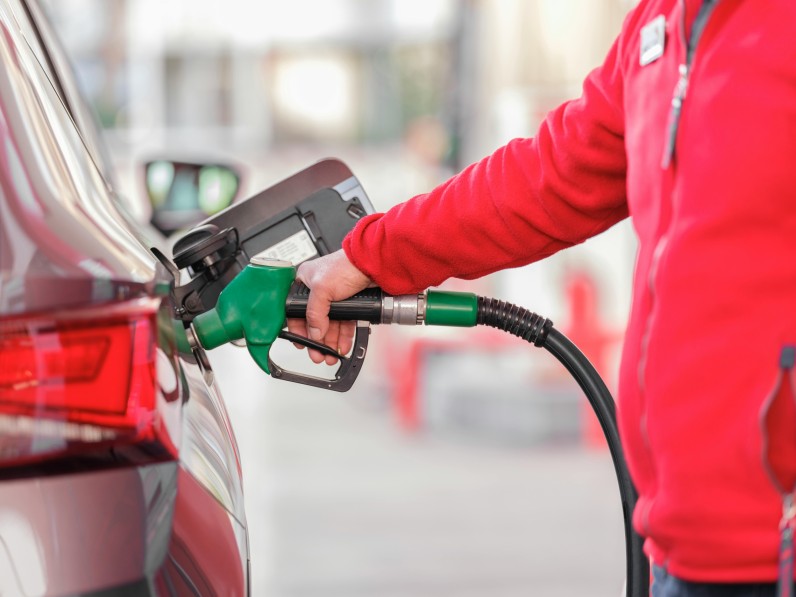
Gasoline prices in the US topped $4 a gallon on Tuesday for the first time in more than three years, as tensions in the Middle East and supply disruptions push fuel costs higher.
According to AAA, the national average for a gallon of regular gas is now $4.02, up from $3.99 on Monday and more than $1 higher than a month ago.
Diesel prices also rose, reaching $5.45 a gallon, affecting transportation and goods delivery costs across the country.
The surge comes after US and Israeli military actions against Iran on February 28 disrupted the passage of crude oil through the Strait of Hormuz, a key route that normally handles about one-fifth of the world's oil and natural gas.
Crude oil prices have spiked as a result, with Brent crude trading near $120 a barrel and West Texas Intermediate above $100 for the first time since 2022, BBC reported.
President Donald Trump addressed the rising costs in interviews and social media posts, saying the US is not ready to abandon efforts to reopen the strait but suggesting allies might need to take action themselves.
"US gas prices will drop 'when we leave, when it's over,'" Trump told CBS News. White House press secretary Karoline Leavitt added that "When Operation Epic Fury is complete, gas prices will plummet back to the multi-year lows American drivers enjoyed before these short-term disruptions."
The average U.S. gas price has topped $4 a gallon for the first time since August 2022, AAA says, at $4.018. https://t.co/mlvUUsxyCd
— CBS News (@CBSNews) March 31, 2026
Gas Hikes Hit Households and Businesses
According to CBS News, Patrick De Haan, a petroleum expert at GasBuddy, noted the rise is noticeable at the pump.
"It's not the shock of $5, but motorists are really going to start to see those digits go up on the dollar price on the pump relatively quickly," he said.
Since 2009, gasoline has only spent 157 days above $4 a gallon, all in 2022, illustrating how unusual current prices are.
The price increases are affecting households and businesses alike. Diane Swonk, chief economist at KPMG, warned that higher transportation costs could eventually be passed on to consumers.
Christopher Hodge, chief economist at Natixis CIB, added that households are in a weaker financial position now than in 2022, making rising gas prices more burdensome.
The AAA also cited high demand from spring break travel as a factor, while analysts say that if the conflict continues, further economic impacts are likely.
Moody's Ratings Agency noted that a prolonged crisis could lead to more saving and reduced discretionary spending, while Matthew Martin of Oxford Economics warned that oil rising to $140 a barrel for a long period could trigger an economic downturn.
The US increase mirrors trends globally. In the UK, petrol is up 14% and diesel 27% since the conflict began.


Join the Conversation