


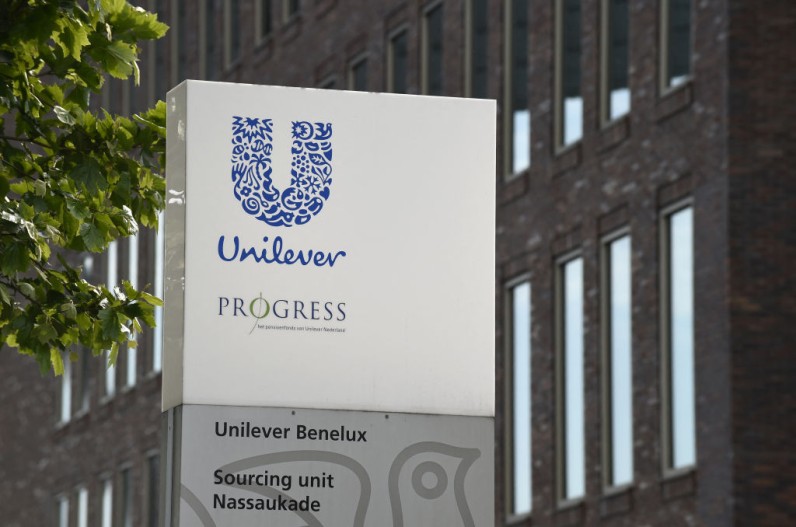
Unilever is on the brink of a major transformation, as its food business edges closer to merging with American spice giant McCormick in a deal that could reshape the global food landscape.
Sources familiar with the matter say the cash-and-stock transaction is valued at $15.7 billion and could result in a new entity worth over $60 billion, including debt.
The proposed combination is expected to be structured as a Reverse Morris Trust, a tax-efficient method where Unilever would spin off its food division before merging it with McCormick.
Under the plan, Unilever shareholders would retain roughly 65% of the new company, giving them majority control.
"Work remains ongoing to agree and finalise a transaction, and it is possible that an agreement could be concluded today," Unilever said in a statement, while cautioning that there is no certainty the deal will be completed.
Analysts at Barclays valued Unilever's food business between €28 billion and €31 billion ($32–$35 billion), taking debt into account.
According to WSJ, McCormick, with a market capitalization of around $14.2 billion, brings household names such as French's mustard, Old Bay seasoning, and Cholula hot sauce to the merger.
The combined entity would become a major player in packaged foods, giving Unilever an opportunity to streamline its portfolio.
Unilever (UL) agreed to combine its food business with McCormick (MKC) in a nearly $45 billion deal that will create a global seasonings, sauces and condiments company.@J_B_Horne with more details on the stock-and-cash deal. $MKC and $UL are both trading lower as of Tuesday… pic.twitter.com/HlJUu65D46
— Schwab Network (@SchwabNetwork) March 31, 2026
Unilever Nears $60B Food Merger With McCormick
The move marks the most significant action by Unilever CEO Fernando Fernandez since taking the helm in March 2025.
Fernandez previously completed the spin-off of Unilever's ice cream division, which includes brands like Ben & Jerry's and Magnum.
Despite being high-margin, the food unit's growth has lagged behind Unilever's personal care and beauty businesses, affecting overall group sales ambitions of 4%-6% in the near term, Reuters reported.
Investors have long pressured Unilever to shed food brands, especially after activist shareholder Nelson Peltz acquired a stake in 2022.
Peltz's involvement coincided with the departure of two former CEOs, who were seen as slow to streamline the company.
The McCormick deal comes alongside Unilever's ongoing cost-cutting program, aiming to save €800 million over three years.
If completed, the merger will shift Unilever's focus firmly toward beauty, personal care, and home products, leaving packaged foods under a new leadership structure.
The transaction will exclude certain assets, including operations in India. Unilever traces its food roots back to 1860, and its food business currently accounts for just over a quarter of annual sales of €50.5 billion, employing thousands worldwide.


Join the Conversation