


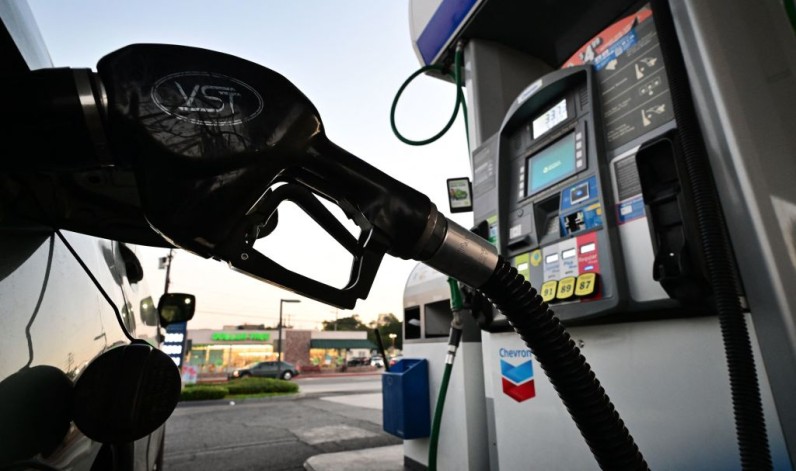
Gas prices across the United States are rising fast—and for many drivers, the change feels sudden and expensive.
In just one month, the national average jumped by more than 30%, and every state is now seeing prices above $3 per gallon again.
The spike follows the ongoing Iran conflict 2026, which has disrupted global oil supply and shaken markets worldwide.
Experts say one key problem is the Strait of Hormuz. This narrow waterway carries about 20% of the world's oil. When movement there slows down, fuel prices everywhere tend to go up quickly.
As one industry tracker explained, the situation is simple: when supply is tight and demand stays high, prices rise. That's exactly what drivers are seeing today.
Why Gas Prices Are Rising So Quickly
Before we look at which states are hit hardest, it helps to understand what's going on.
The biggest reason is global tension. The recent conflict has made oil harder to move safely. That means less oil reaches refineries, and that pushes prices higher.
Another factor is timing. Spring often brings more travel, which increases demand. When more people want gas at the same time supply is shrinking, prices climb even faster.
Put simply: less oil + more drivers = higher prices.
Top States Where Gas Prices Are Rising the Fastest
Here are some of the states seeing the biggest jumps right now. These increases are much higher than the national average.
1. New Mexico Leads the Surge
In New Mexico, gas prices jumped about 45% in just a month. Drivers are now paying close to $3.79 per gallon. Cities like Las Cruces are seeing even higher prices.
This makes New Mexico the fastest-rising state in the country right now.
2. Oklahoma Sees Big Increases
Oklahoma follows closely with a 41% increase. Prices climbed from around $2.29 to over $3.20 per gallon.According to BusinessInsider, in Tulsa, drivers are already paying near the state's highest averages.
3. Arizona Faces Higher Costs Overall
In Arizona, gas is not only rising fast—it's also expensive. Prices jumped about 39%, reaching roughly $4.40 per gallon. Some areas, like Peoria, are even higher.
4. Colorado Climbs Steadily
Colorado saw a nearly 39% increase. Drivers now pay close to $3.83 per gallon, with hotspots like Glenwood Springs going above $4.
5. Mississippi's Sharp Jump
Even states that usually have cheaper gas are feeling the pressure. Mississippi experienced a 38% increase, with some counties reporting prices above $3.60.
6. Tennessee Not Far Behind
In Tennessee, prices rose nearly 38%. Some areas, including Lewis County, are nearing $3.80 per gallon.
What This Means for Drivers
For everyday drivers, these increases add up fast. A full tank now costs much more than it did just weeks ago. Families, commuters, and small businesses all feel the impact.
Experts say the situation may not improve quickly. As long as global tensions continue and supply remains tight, prices could stay high—or even rise more.
This idea shows how something happening far away can still affect your daily routine.
Simple Tips to Save on Gas
While you can't control global oil markets, you can take small steps to save money:
- Drive smoothly and avoid sudden stops
- Combine errands into one trip
- Keep your tires properly inflated
- Use apps to find cheaper gas nearby
These small habits can make a big difference over time, TPH reported.
The Bigger Picture
Gas prices are more than just numbers on a sign. They reflect what's happening around the world. From international conflicts to shipping routes, many factors play a role.
Right now, the sharp rise across multiple states shows how quickly things can change. It also reminds us that energy prices are closely tied to global events.
For now, drivers in the hardest-hit states—like New Mexico, Oklahoma, and Arizona—are feeling the biggest impact. And unless conditions improve, the trend may continue.


Join the Conversation