


iRobot filed for Chapter 11 bankruptcy protection in the District of Delaware court on Sunday, bringing an end to more than three decades as a public company.
The Massachusetts-based maker of the Roomba has been experiencing extended weak sales and financial struggles.
Acquisition by Shenzhen Picea Secures Future Operations
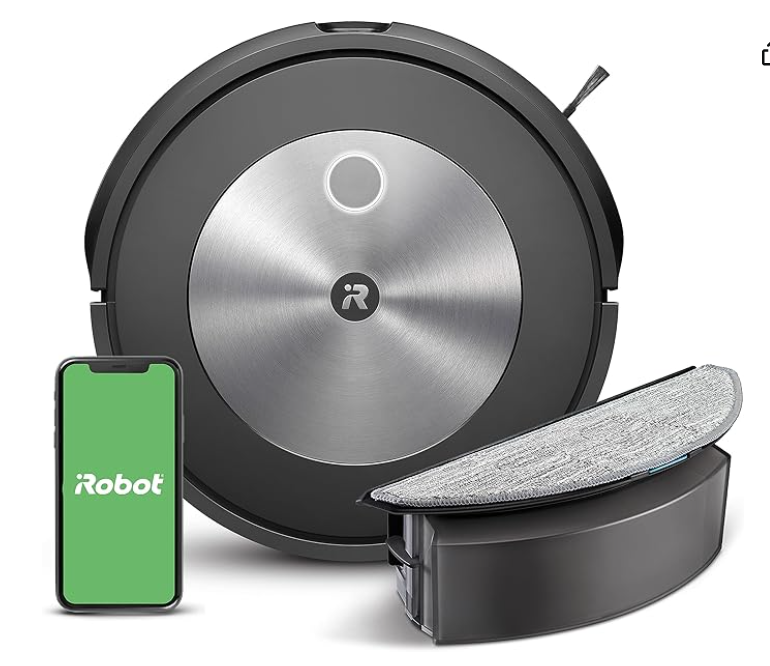
Under the bankruptcy plan, iRobot would be fully taken over by its key manufacturer and lender, Shenzhen Picea, which has R&D and manufacturing facilities in China and Vietnam, per Bloomberg.
The acquisition will keep iRobot's product development ongoing, with the company continuing to pay vendors and creditors on time, while also meeting obligations to its employees.
As part of the deal, iRobot will become a private entity, and its common stock will be removed from public exchanges.
Bankruptcy Due to Economic Hardships
The filing comes after back-to-back quarters of falling sales and a cash squeeze. iRobot booked $145.8 million in third-quarter revenue, 25% below last year's level, with U.S. sales tumbling 33%.
At the end of Sept. 27, it had just $24.8 million in cash, down from $40.6 million in June, and didn't have any source of additional capital after drawing down $5 million in restricted funds.
iRobot's woes worsened when Amazon ditched its $1.7 billion acquisition in January 2024 because of regulatory hurdles in the U.S. and Europe. Its board responded by cutting 31% of staff and ousting CEO Colin Angle immediately after the deal fell through.
iRobot's stock is more than 50% lower over the past year and greater than 90% over five years amid ongoing investor concerns.
Legacy Built on Innovation
Formed in 1990 by three roboticists from MIT, iRobot launched the classic 2022 Roomba, a disc-shaped, autonomous vacuum that gave a new meaning to home cleaning, per Business Insider. The brand has sold millions of units worldwide, establishing it as a pioneer in home robotics.
Originally published on Tech Times


Join the Conversation