


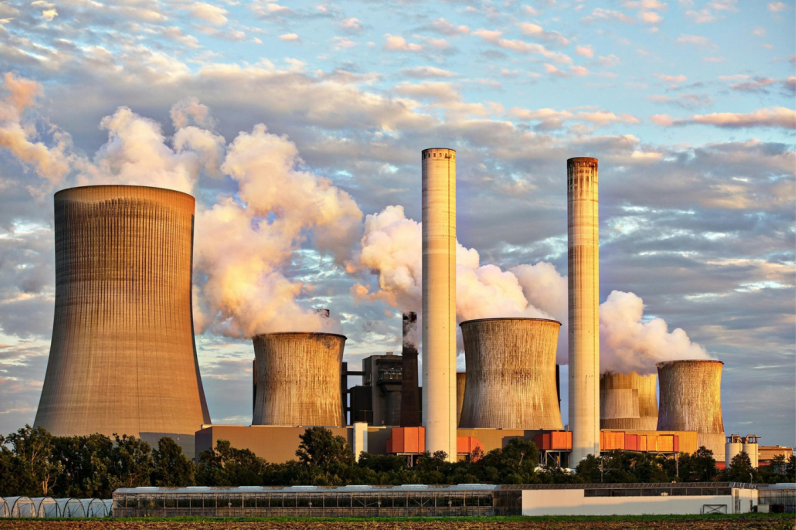
Japan has taken a major step toward reviving its nuclear energy program by approving the restart of the world's largest nuclear power plant, Kashiwazaki-Kariwa, more than a decade after the 2011 Fukushima disaster.
The Niigata Prefectural Assembly voted Monday to support Governor Hideyo Hanazumi's decision, allowing Tokyo Electric Power Company (TEPCO) to bring one of the plant's seven reactors back online.
Kashiwazaki-Kariwa, located roughly 220 kilometers northwest of Tokyo, was among 54 reactors shut down following the Fukushima Daiichi meltdown triggered by a massive earthquake and tsunami.
Since then, Japan has gradually restarted 14 of the 33 operable reactors, aiming to reduce reliance on imported fossil fuels and strengthen energy security.
TEPCO, which operated the Fukushima plant, will oversee the first restart at Kashiwazaki-Kariwa.
Governor Hanazumi described Monday's vote as "a milestone," but emphasized that safety remains a top priority for Niigata residents.
Despite the assembly's support, public opinion in the region remains divided. Protesters gathered outside the assembly, holding banners reading "No Nukes" and "Support Fukushima."
Many residents voiced concerns over potential accidents, citing lingering trauma from the 2011 disaster.
Ayako Oga, a 52-year-old anti-nuclear activist who fled Fukushima, told Reuters, "We know firsthand the risk of a nuclear accident and cannot dismiss it," highlighting ongoing anxiety in the community.
Read more: Meta Clinches Nuclear Deal to Turbocharge Its AI Ambitions: What This Means For The Company
Japan to Restart Kashiwazaki-Kariwa Reactor
TEPCO has sought to reassure the public by investing in safety upgrades, including seawalls, watertight doors, mobile generators, and enhanced filtering systems to prevent the spread of radioactive materials.
Spokesperson Masakatsu Takata said the company is "firmly committed to never repeating such an accident and ensuring Niigata residents never experience anything similar."
TEPCO plans to reactivate the first 1.36 GW reactor around January 20, with another unit of equal capacity expected to start around 2030. The plant's total capacity of 8.2 GW could power millions of homes.
The restart also has broader implications for Japan's energy strategy.
With fossil fuels accounting for 60–70% of electricity generation and costing the country over 10 trillion yen ($68 billion) last year, nuclear power is seen as a way to lower energy costs and reduce carbon emissions, CNN reported.
Prime Minister Sanae Takaichi, who assumed office two months ago, has strongly supported nuclear energy to strengthen energy security, cut reliance on imported fuels, and meet decarbonization targets.
Japan aims to double the share of nuclear power in its electricity mix to 20% by 2040, driven in part by rising energy demands from AI data centers and other high-consumption technologies.
Analysts say public acceptance of the Kashiwazaki-Kariwa restart will be a "critical milestone" for achieving these goals, even as residents continue to weigh the risks against potential benefits.


Join the Conversation