


Artificial intelligence has rewritten the way companies are formed and maintained. They are built faster, with smaller teams, for far less capital, and reach outcomes that have required traditional companies to use 100+ employees over decades of work. This is why, in today's world, venture capital models need to change.

Brainworks Ventures, which works and invests in companies that utilize the latest AI technologies, understands that AI-native companies break the traditional venture model and need different tools and people who know how to use them.
Adapting to the New Dawn of Technology
Dr. Phillip Alvelda, a spokesperson and managing partner at Brainworks Ventures, has been working in artificial intelligence since 1987. Long before today's modern interventions, Dr. Alvelda was witness to every hype cycle, every "AI winter," and every false dawn. Now, almost 40 years later, he's seeing how AI tools have caught up to his vision.
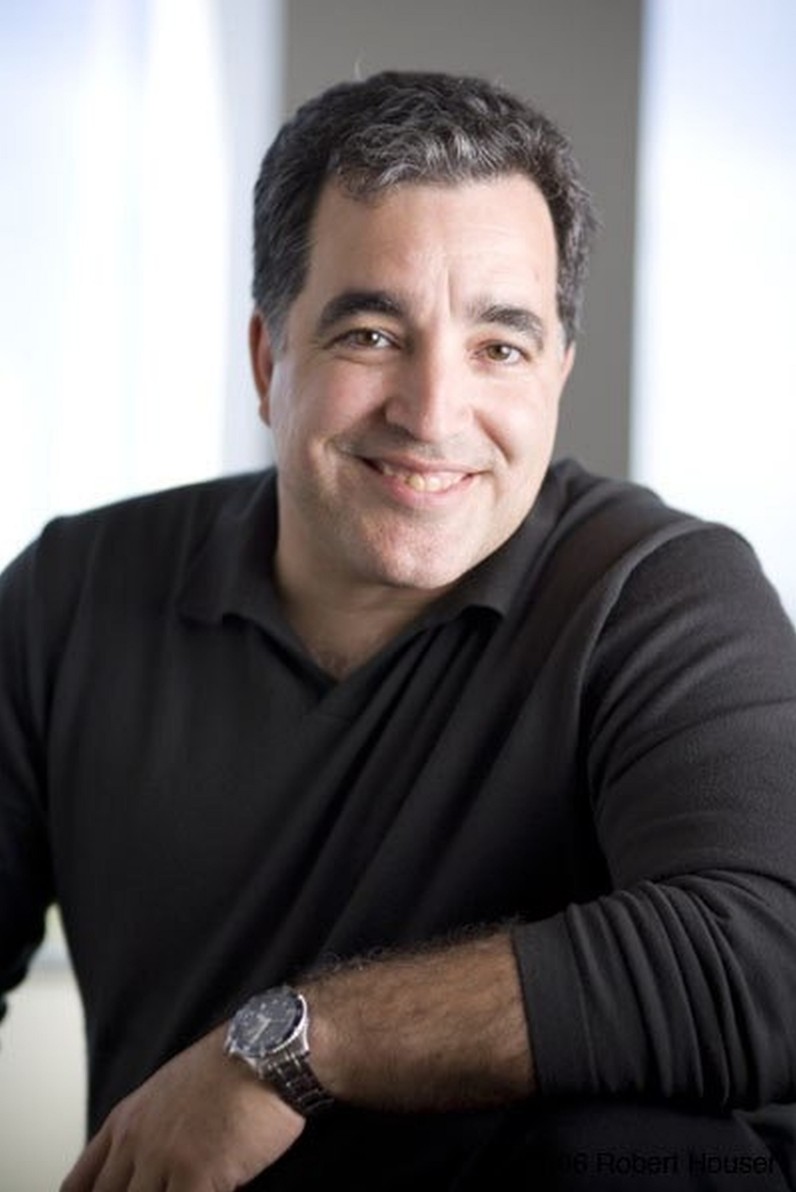
"In the '80s and '90s, we could imagine what AI would do but couldn't build it at scale," Dr. Alvelda says. "Now frontier models from OpenAI, Anthropic, and Google can drive real business transformation."
In an era where a five-person team can now accomplish what required 100 people three years ago, Dr. Alvelda knows that the question isn't whether someone would, or even should, build an AI-native fund, but whether practitioners could understand the technology deeply enough to invest in it.
The Difference Between "AI-Focused" and "AI-Native"
Dr. Alvelda knows that most funds today are AI-focused and that many invest in AI-focused companies but operate using properties from the 1990s. As a DARPA alumnus and in his current line of work at Brainworks Ventures, Dr. Alvelda says they are changing the way AI-enabled companies are built, as well as restructuring the new economics of AI.
"We're AI-native," Dr. Alvelda shares. "We use artificial intelligence to automate deal flow, portfolio design, diligence, and operations internally. That's not marketing language; it's structural differentiation."
This structural differentiation, which focuses on operating through AI rather than investing in it, allows companies like Brainworks Ventures to maintain double the amount of portfolio companies, allowing them to manage anywhere from 40–50, as compared to the typical 20–25. This "new math" can show how companies can achieve meaningful outcomes with far less money and time than previous capabilities.
This type of management isn't about promoting new funds, but about how structural transformation in innovation is built, financed, and brought to market.
AI Stewardship Rooted in DARPA Experience
The ethical frameworks that Brainworks Ventures creates are rooted in experience that most venture capitalists do not have. Through DARPA's neural engineering program, which literally puts electronics next to human brains, it forces a company to develop frameworks that answer numerous questions, including whether or not they will increase human advancement or diminish it.
"Companies building responsible AI face fewer regulatory risks, attract better talent, and build stronger brands," Dr. Alvelda says. "Most funds won't make those tradeoffs. We've structured ours around them."
In five to seven years, Dr. Alvelda sees AI-native companies testing the validation of their thesis: that AI-native companies can outpace traditional companies in the long run, so long as they utilize proper ethics through AI.
"Beyond returns, I want Brainworks to be the fund AI founders think of first when building something genuinely ambitious," Dr. Alvelda says. "The LPs who backed us should feel they participated in something that mattered, not just something that returned capital."


Join the Conversation